5 Tips for Landscape Photography
July 03, 2024
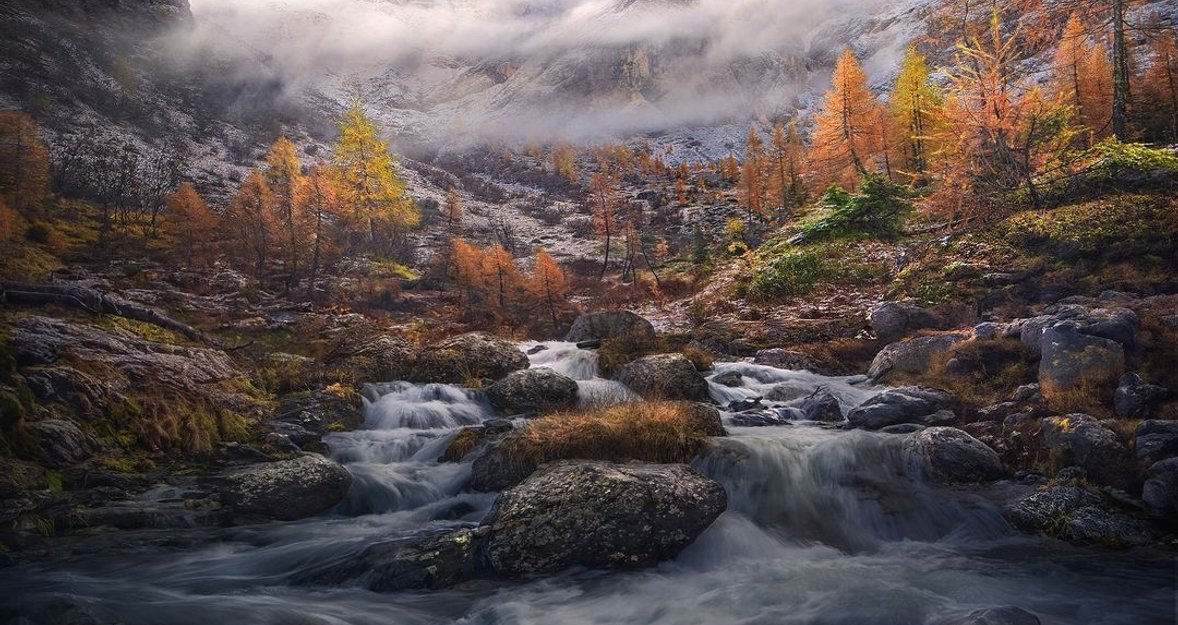
Get tips on how to create awe-inspiring landscapes from William Preite, a passionate landscape photographer from Northern Italy. This article will be especially useful to you if you’re just starting out!
For William, photography is more than just imagery — it’s a way to connect with the wilderness and share the beauty of the outdoors through his lens. Each photo invites viewers on a visual journey, celebrating nature’s splendor. If you are also looking for a way to inspire viewers with your photos, William is happy to share his expertise.
Advanced yet easy-to-use photo editor
Get Luminar Neo NowCapturing Stunning Landscapes: A Step by Step Guide to Landscape Photography
Let’s dive into the 5 essential tips William wants to share with every beginner landscape photographer.
1. Shoot at Dusk and Dawn
The soft light during these times enhances landscapes, often adding beautiful colors to the sky.
2. Limit Tripod Use
Use your tripod only when necessary. Move freely with your camera to better connect with your surroundings and find unique angles.
3. Don’t Settle
The first shot isn’t always the best. If you’re not satisfied, keep trying — experiment with different perspectives and settings.
4. Study and Scout
Research your location beforehand, and scout the area early. This helps you find the best compositions and get prepared for the perfect shot.
5. Master Post-Production and Camera Settings
Editing can be challenging and subjective. Draw inspiration from admired photographers, use the right tools, and develop your workflow.
With these tips, beginners can elevate their landscape photography and create truly captivating images.
Camera Settings and Equipment Essentials
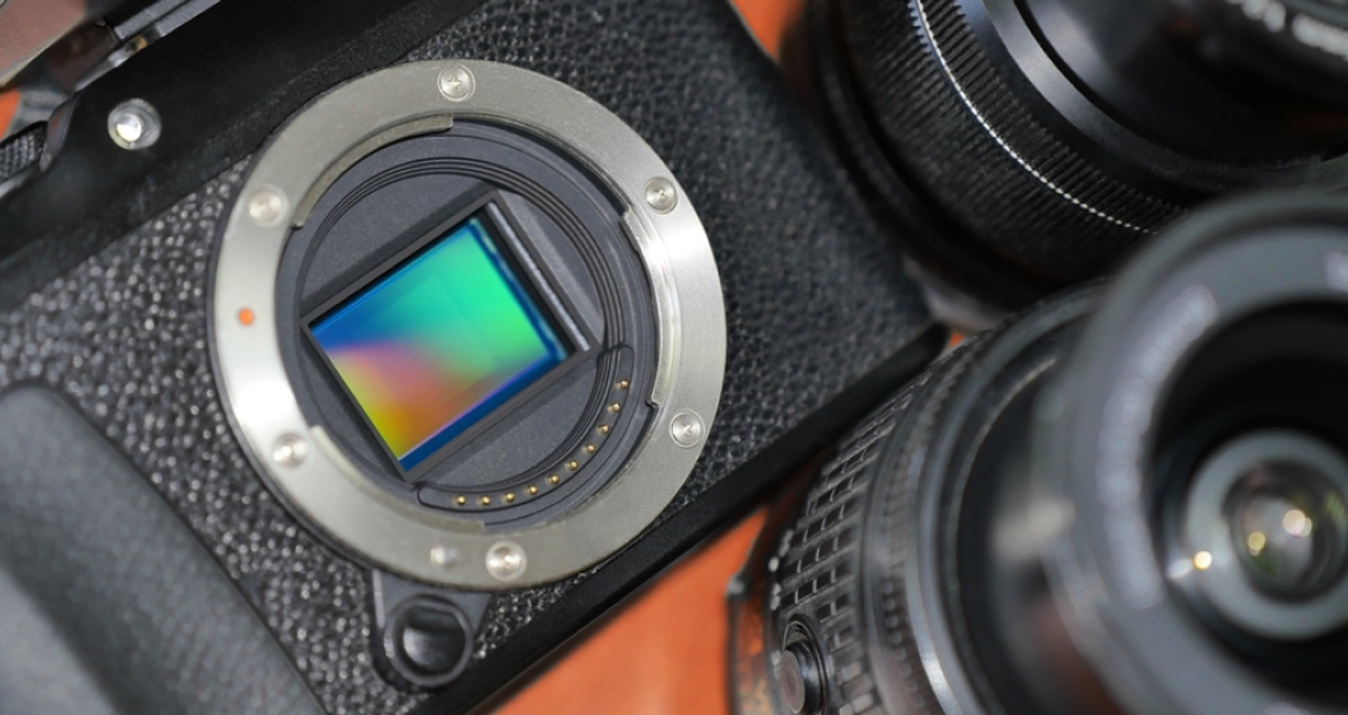
Getting the right camera settings and choosing the best equipment can make all the difference in landscape photography. Understanding the exposure triangle—aperture, shutter speed, and ISO—is fundamental for landscape photographers aiming to achieve proper exposure and capture sharp images. A camera with a high-quality sensor will help you produce landscape photos with excellent detail and dynamic range, especially in challenging lighting conditions.
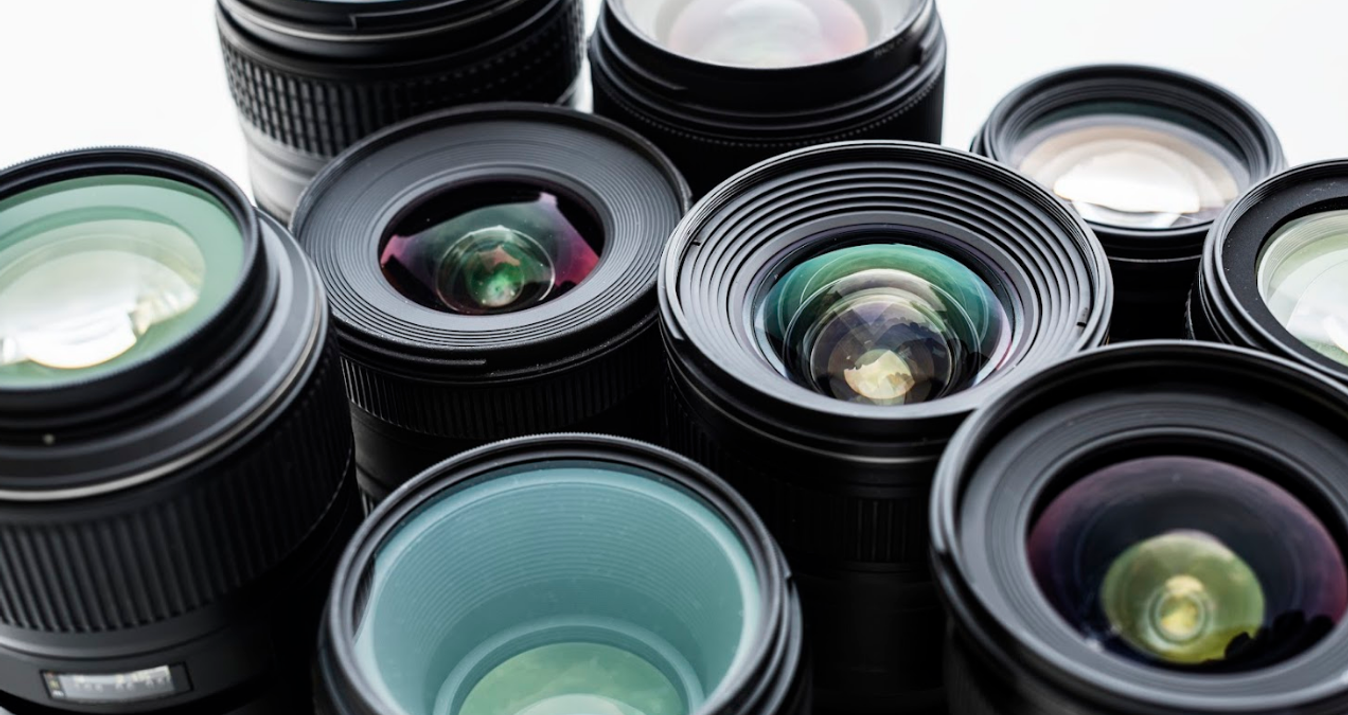
When it comes to lenses, many photographers reach for wide angle lenses, such as a 10-22mm or 14-24mm, to capture the vastness of a scene and include more of the landscape in a single frame. However, telephoto lenses like a 70-200mm or 100-400mm are also valuable tools for landscape photographers, allowing you to compress distant elements and highlight specific features within the landscape.
Using a tripod is often essential when shooting landscapes, particularly if you’re working with slower shutter speeds to capture more light or create long exposure effects. A sturdy tripod helps prevent camera shake, ensuring your landscape photos remain sharp even in low light. Many cameras now offer image stabilization, which can further reduce the risk of blurry images caused by camera movement. By mastering your camera settings and selecting the right gear, you’ll be well-equipped to capture stunning landscape photos in any environment.
Advanced Techniques for Dramatic Landscapes
To take your landscape photography to the next level, consider experimenting with advanced techniques that many landscape photographers use to create dramatic and eye-catching images. Long exposure is a popular method, allowing you to use a slower shutter speed to blur moving elements like water or clouds, adding a sense of motion and atmosphere to your landscape photos. This technique often requires a tripod and, in bright conditions, an ND filter to achieve the desired effect without overexposing the image.
Panoramic stitching is another powerful tool, enabling you to combine multiple images into a single, wide-angle view that captures the full scope of a scene. Using a tripod and a remote shutter release can help ensure your images align perfectly for seamless stitching in post processing.
Focus stacking is especially useful when shooting with wide angle lenses and aiming for maximum depth of field. By taking several photos at different focus points and blending them together, you can create a landscape image where every element, from foreground to background, is equally sharp.
Filters are essential accessories for many landscape photographers. ND filters help you achieve slower shutter speeds even in bright light, while polarizing filters can reduce glare, deepen blue skies, and enhance the overall color and contrast of your landscape photos. Incorporating these advanced techniques and tools will help you create landscape photographs that truly stand out.
Finding Inspiration and Staying Motivated
Staying inspired and motivated is key to growing as a landscape photographer. Many photographers find fresh ideas by exploring new locations, whether it’s a local park or a distant mountain range. Studying the work of other photographers can spark creativity and introduce you to new approaches and camera settings you might not have considered.
Shooting during the golden hour—just after sunrise or before sunset—can transform ordinary scenes into magical landscape photos, thanks to the warm, soft light. The blue hour, which occurs just before sunrise and after sunset, offers a different mood, with cool tones and subtle contrasts that many landscape photographers love to capture.
Planning your shoots with tools like Google Earth can help you discover unique vantage points and prepare for the best light. Joining photography communities or attending workshops is another great way to connect with other photographers, share experiences, and stay motivated to keep taking photos.
Don’t be afraid to experiment with different shutter speeds, apertures, and compositions. By continually challenging yourself and seeking out new perspectives, you’ll keep your landscape photography fresh and exciting, and your passion for capturing stunning landscapes will only grow.
To Sum Up
William's tips offer a blend of technical guidance and creative inspiration. By shooting during the magical hours of dawn and dusk, you can capture the most stunning natural light. Embracing the freedom of handheld shooting can lead to more dynamic and engaging compositions. Persistence and experimentation are key to finding the perfect shot, while thorough research ensures readiness for any opportunity. Lastly, mastering post-production allows you to refine and enhance your photos.
Good luck capturing stunning scenery!