Offline image-processing SDK · On-premise

Process 100,000 RAW photos a day on your own servers — for one flat annual license.

Luminar Engine is the AI vision stack behind Luminar Neo — RAW pipeline, lens correction, HDR merge, exposure, sky — packaged as a headless SDK you link into your own pipeline. No per-image fees. No cloud round-trips. Your images never leave your network.

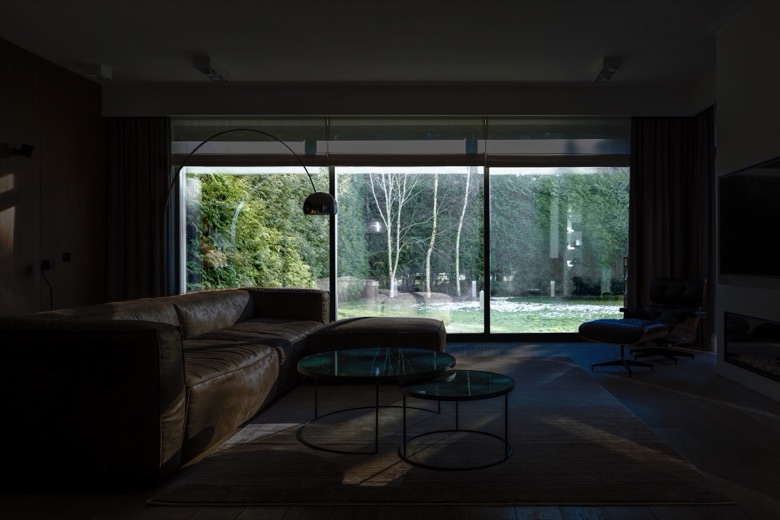
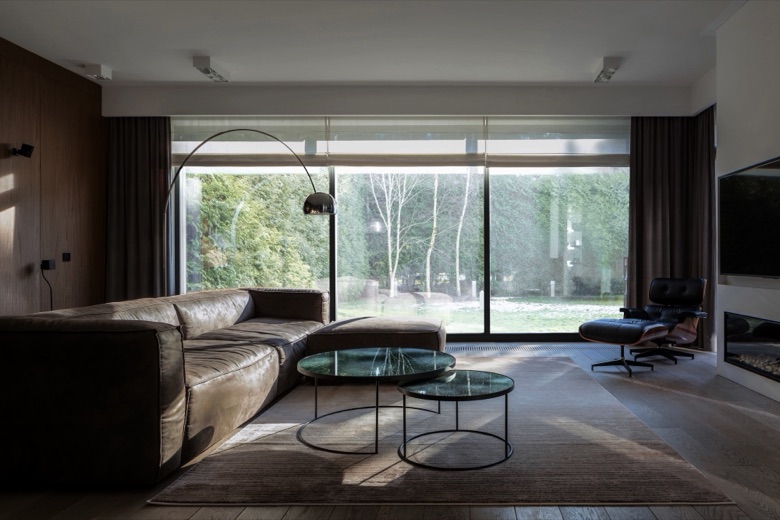
RAW frame straight off the camera RAW frame straight off the camera RAW frame straight off the camera RAW · straight off the camera
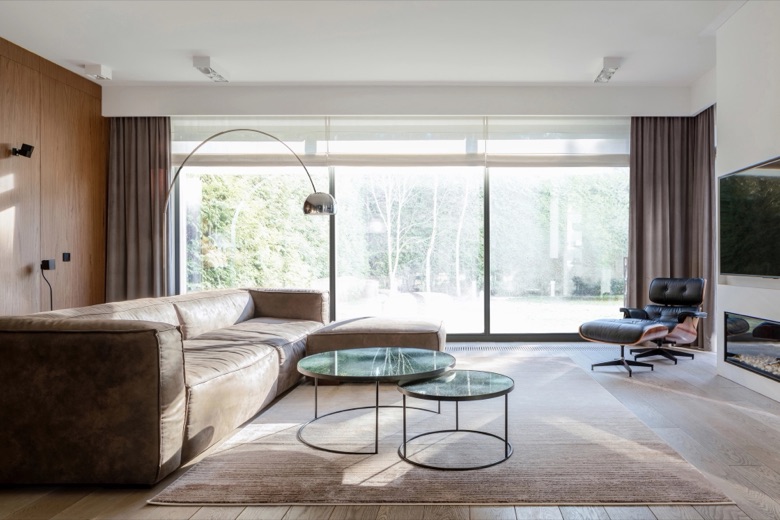
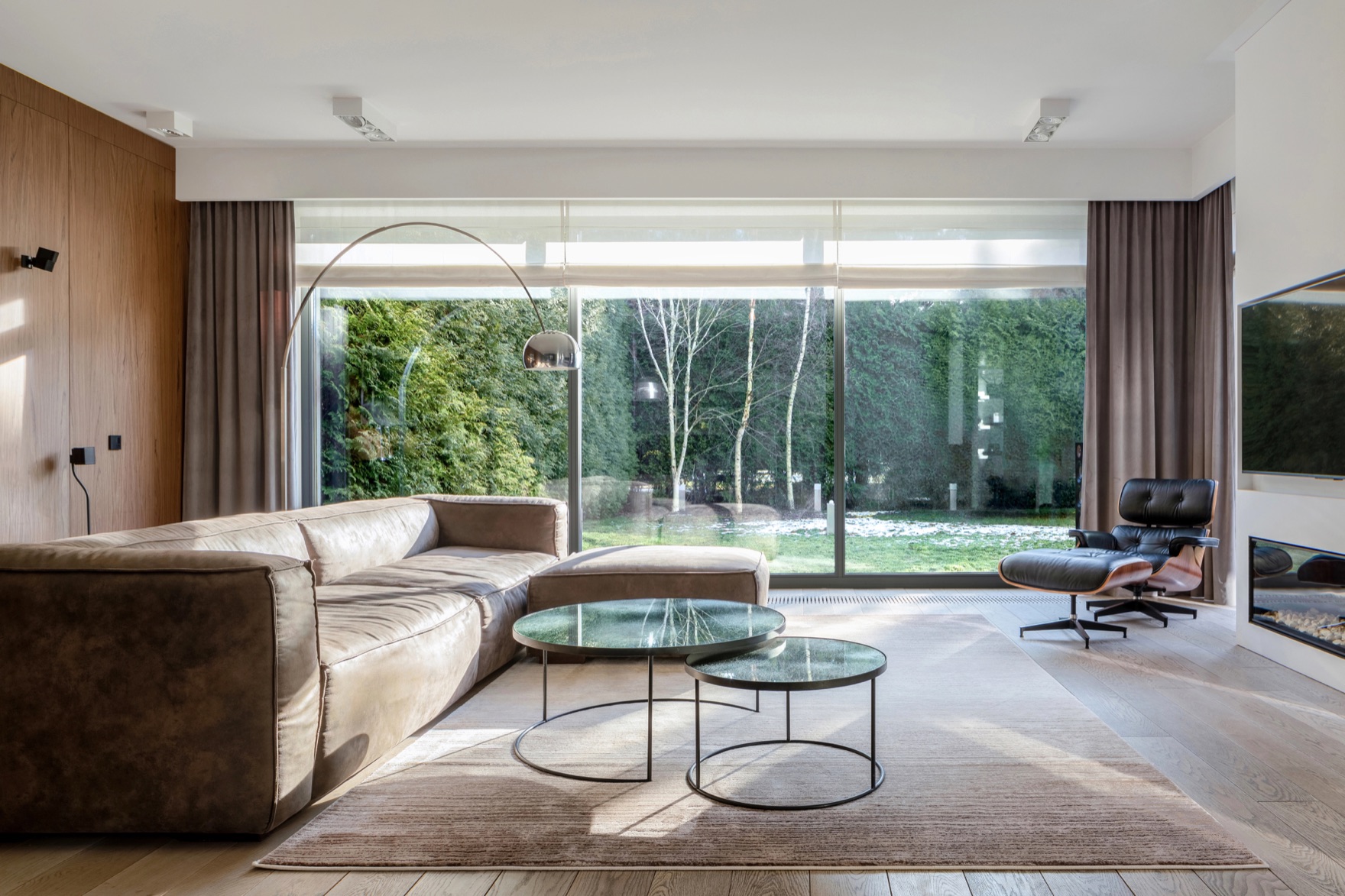
Frame processed by Luminar Engine Engine output · lens + exposure + HDR

Built on the stack trusted by photographers in 141 countries · in production pilots with European market leaders processing 180,000+ images a day

# drops into the automation you already run

$ luminar-engine --in ./ingest/raw --out ./catalog/jpg \
    --ops lens,exposure,hdr-merge --output-profiles 3 --cores auto

✓ 4,812 images processed · 0 left your network

Numbers that matter

Eighteen years of imaging R&D, finally headless

18 years of imaging R&D behind the models
24+ production AI tools in the stack
0 images ever sent to a cloud
flat annual license — unlimited volume
days to integrate via CLI, not quarters
The problem

At production volume, every current option punishes you

If your business processes 150K–10M images a year, you already know the math:

7-figure bills

Metered cloud APIs

Photographer-grade APIs charge up to $0.50 per photo over a fraction-of-a-cent GPU floor. At 100K images/day even mid-range metering is a seven-figure annual bill — plus upload time, lock-in, and price hikes you don't control.

Compliance risk

Client images in someone else's cloud

61 privacy regulators issued a joint statement on AI imagery; GDPR fines over photo processing have passed €100M. "Where do our clients' photos go?" is now a procurement question. With cloud APIs, the honest answer hurts.

0.5–1 FTE forever

DIY on open source

libraw + a queue gets you basic conversion — but not professional-grade color, and someone has to maintain it and chase every new camera format. Forever.

How it works

A preprocessing layer inside the pipeline you already run

No platform migration. No new UI for your team. The engine slots in as one automated step.

Step 1

Link it in

A CLI binary today, C API and Python bindings on the roadmap. Point it at an input folder, set your operations and output profiles — it fits bash-level automation without new endpoints.

Step 2

Pick your operations

RAW→JPEG · lens & perspective correction · HDR bracket merge · exposure · alignment · sky replacement. Start with one deterministic step, add packs as you grow — it doesn't need to be your entire process.

Step 3

Burst when it matters

NUMA-aware scheduling pins work to your cores. When a client dumps a 30,000-image project at 6 pm, burst to every core you own. At 3 am, idle costs you nothing.

Why teams switch

Photographer-grade output, data-center behavior

Quality your retouchers will sign off on

These aren't generic open-source models. It's the same stack millions of photographers use — tuned for 18 years against the standard your clients compare you to: Lightroom and Capture One. Our HDR merge is the reason production studios already buy our desktop product.

"AI output won't pass our QC." — That's why pilots run against your acceptance criteria, on your images, measured against your current output. Numbers, not promises.

Pilot acceptance format

quality_gate:
  reference: "current manual output"
  accepted_rate: ">= 90%"
  rework_rate: "<= 10%"
  judge: "your art director"

Flat economics that survive your growth

One annual license per server. Unlimited cores, unlimited volume, zero metering. Double your image volume next year — your license cost doesn't move. Your finance team can put it in a budget line and forget it.

"We're peak-driven — we won't pay for idle capacity." — Exactly. The license covers the box, not the hours. Burst at peak, pay nothing at idle.

License model

unit: "named physical server"
cores: "unlimited within the box"
metering: none
idle_cost: €0
includes: "camera/format/model updates + support"

Offline by architecture, not by policy

Hardware-ID licensing with fully offline activation. No cloud callback, no telemetry on your content, no dependency on our uptime. If your workstations live in an intranet without internet access — that's exactly the environment we built for.

"What happens when the license server hiccups mid-deadline?" — There is no license server in your critical path. Activation is local to the machine.

Data flow

ingest → engine (your LAN) → catalog

outbound_connections: 0
images_uploaded: 0
cloud_dependency: none
The cost math

1M images a year: what you actually pay

No platform migration. No new UI for your team. The engine slots in as one automated step.

Premium cloud API ($0.05–0.22/img) In-house build + maintenance Luminar Engine flat license
At 1M images per year $50K–220K €150–370K build + €50–155K/yr One flat annual fee
At 3M images per year $50K–220K same + more ops Same flat fee
Images leave your network Yes No No

Sources: published vendor pricing, June 2026; in-house estimate based on EU senior-engineer fully-loaded rates. Your exact quote depends on server count and operation packs.

For the engineering team

Built to pass a CTO's checklist, not a marketing review

Everything your technical lead will ask, answered in the documentation pack — before the first call if you want.

Linux x86_64 CLI binary; CPU-only baseline — runs on the EPYC/Xeon servers you already own

Offline hardware-ID activation; zero telemetry on your content

NUMA-aware core pinning for predictable throughput on multi-socket machines

Wide RAW format coverage, updated with camera releases as part of the license

Deterministic batch contract: input folder, ops list, exit codes, structured logs

Throughput benchmarks quoted per your hardware spec — not lab numbers

C API and Python bindings on the public roadmap; Docker/gRPC for fleet deployments later

1 RAW → N output profiles in a single pass

The cost math
"We compared it against our manual Lightroom pipeline on a real client project. The economics weren't close — and the images never left our building, which is what our enterprise clients actually audit."
Operations lead, European visual-content provider · name available on reference call
Licensing

Simple model. Serious volumes.

We price per server, not per image — so your unit economics improve as you grow. Exact quotes are scoped to your hardware and operation packs.

30-day pilot

Fixed fee, credited to your first license

  • Your images, your hardware, your acceptance criteria
  • Measured against your current output quality
  • Throughput benchmark on your exact server spec
  • Direct line to our engineering team
Scope a pilot

Enterprise / OEM

Custom — multi-site, embed, white-label

  • Multiple locations and data centers
  • Embed the engine inside your own product
  • Roadmap input as a design partner
  • Custom legal & procurement terms
Talk to us
FAQ

The questions every buying committee asks

How does the quality compare to Lightroom / Capture One?

That's the benchmark we test against, and it's the acceptance standard we write into every pilot: your art director judges our output against your current manual process on your real projects. We publish methodology with every benchmark. Where a specific operation isn't at parity yet, we'll tell you before you sign.

How much integration work is this for my team?

The base integration is a CLI call inside automation you already run: input folder in, processed files out, exit codes and logs for your orchestration. Production teams have scoped the first working step in days. C API and Python bindings are on the roadmap for deeper integration.

What hardware do we need?

Standard x86_64 Linux servers, CPU-only — no GPU purchase required. The engine bursts across all available cores and is NUMA-aware on multi-socket machines. We quote expected throughput against your exact spec as part of the pilot, not generic lab numbers.

How does licensing work if our machines have no internet access?

Activation is hardware-ID based and fully offline. No cloud callbacks, no periodic license pings, no telemetry on your content. Air-gapped environments are a supported configuration, not an exception.

What happens when new cameras and RAW formats come out?

Format and model updates are included in the annual license — that's a core part of what you're paying for versus building in-house. Your pipeline keeps working when your photographers upgrade bodies.

Why not just use a cheaper cloud API?

At low volume, you probably should. Flat on-prem licensing wins when volume, privacy, or turnaround SLAs matter: above roughly 500K images/year the license typically pays back inside 12 months against metered pricing — and your client images never leave your network at any volume.

Bring us your ugliest production day.

A 30-minute technical call: we map your pipeline, define measurable acceptance criteria, and quote throughput for your exact hardware. If the math doesn't work for your volume, we'll tell you.

Book a technical demo

Or write to engine@skylum.com — an engineer answers, not a sequence.